
 Australian Dollar
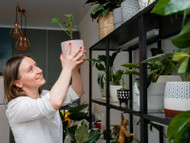
Vertical Indoor Gardens: Maximizing Space in Small Homes
Posted by Renovator Mate on 06 Jun 2023
Even though urban life in Australia can occasionally result in a lack of space, you can still have a lush, green garden within your house. Small houses and flats can benefit from the beauty and health benefits of plants without sacrificing valuable floor space thanks to vertical indoor gardens. Here, we'll cover lighting, upkeep, plant selection, and other ideas for making your own vertical indoor garden oasis. You'll be able to bring the outside in as well as improve the aesthetic appeal and general health of your living area.
Choose the right location
It's essential to choose a spot with enough natural light when establishing a vertical indoor garden, such as close to a window or in a well-lit area. The best windows are those that face south since they let in plenty of light for most plants. If this isn't possible, though, think about installing artificial lighting, like LED lights, to make sure your plants get the quantity of light they need to thrive. By using grow lights to make up for the lack of natural light and give your plants the energy they need to thrive, you can still construct a successful vertical garden even if you're short on space or have a wall that doesn't get direct sunshine.
Select suitable plants
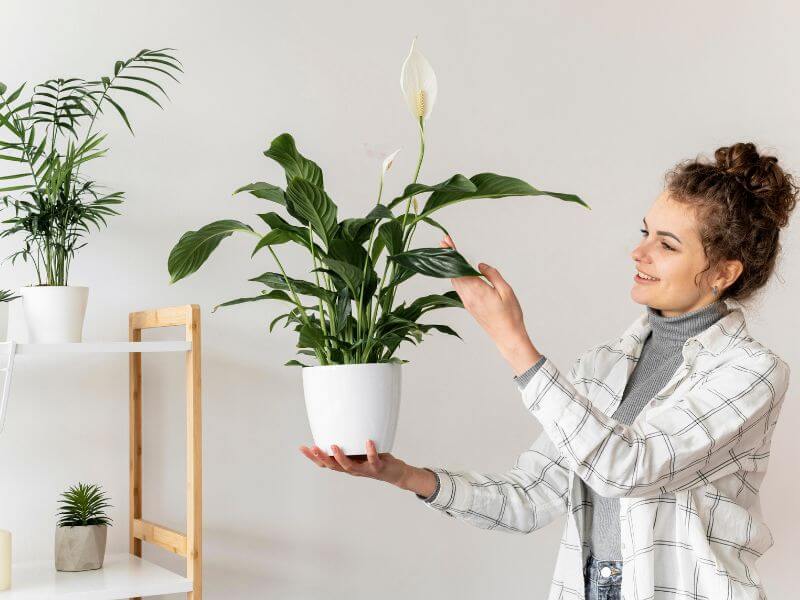
Choose plants that can flourish in an indoor environment and are suited for vertical growth. Ferns, ivies, and pothos are some fantastic options that not only look amazing but may also aid in filtering the air. Also think about including low-maintenance plants that can provide visual interest to your vertical garden, such as air plants or succulents, in your scheme. Consider the plants' light needs, growth patterns, and the overall look you wish to accomplish while selecting them. And getting plants today is easier than ever, especially with stores for practical plant delivery in Sydney and other cities. You can design a visually stunning, healthy vertical garden that fits your unique taste and style by choosing a wide variety of plants.
Protect your floors and walls
You must consider how a vertical garden may affect your floors and walls when designing one. To capture extra water and save your flooring, place a waterproof liner or tray underneath your vertical garden. This can be as straightforward as a plastic sheet or a tray created specifically for your garden construction. Use a high-quality waterproof paint or moisture barrier on the wall where your garden will be installed to stop moisture from penetrating your walls. This added layer of defence will guard against mildew, mould, and other water-related problems, keeping your vertical garden both aesthetically pleasing and structurally robust.
Provide proper insulation and ventilation
It's essential to offer adequate insulation and ventilation in order to maintain ideal conditions for plant growth. If your vertical garden is next to a window or exterior wall, where temperature changes are more common, install adequate insulation around it to help control temperature. Your plants' habitat will become more stable as a result, encouraging healthy growth and lowering the possibility of stress brought on by changes in temperature. Additionally, make sure there is enough airflow by positioning a small fan next to your indoor garden or making sure your plants are spaced properly. Don't forget this crucial component of vertical gardening because proper airflow is necessary for preventing disease and sustaining healthy plant growth.
Make sure the construction is safe and stable
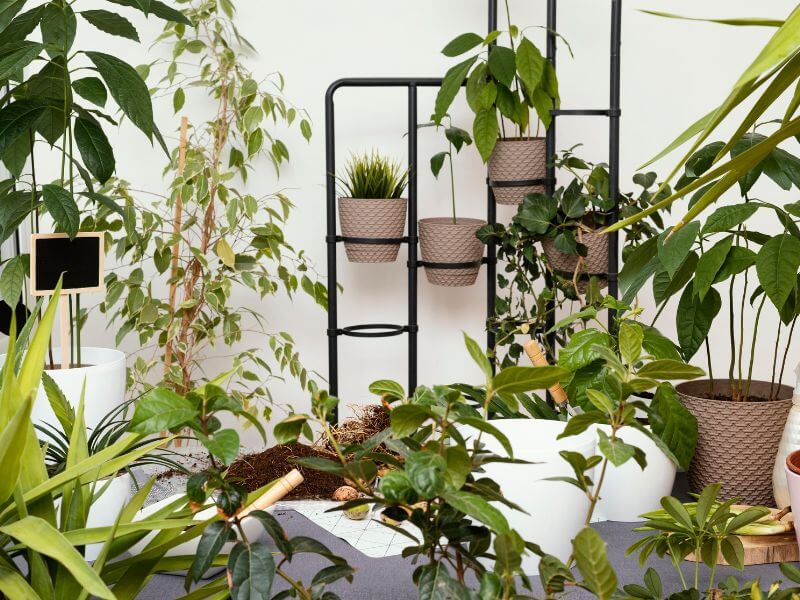
A sturdy support system is needed for a vertical garden to withstand the weight of the soil, pots, and plants. Think about employing a vertical garden system that can be safely attached to your wall. Make sure your chosen support system can carry the entire weight of your garden by checking its weight-bearing capacity. Many of the vertical garden systems available today are made to be simple to install and can be quickly modified to fit your unique space and needs. Make sure your support system is firmly secured to the wall when you install it to avoid mishaps or harm to your plants or home interior. You might need to hire a pro depending on the size and complexity of your vertical garden.
If you live in a tiny space, a vertical indoor garden is a great way to bring nature inside, enhance the air quality, and foster a relaxing environment. By using these suggestions, you can make the most of your limited area and build a beautiful and useful vertical garden that not only improves the look of your home but also promotes your general well-being. So don't allow your home's size to stop you from enjoying nature, plants, and gardening. Any wall in your home may be turned into a bright, living work of art that you'll be happy to display with a little imagination and forethought.