
 Australian Dollar
Teaching an Old House New Tricks (or, Tips for Staying Safe While Renovating Old Houses)
Posted by Renovator Mate on 06 Jun 2018
Whether you’re buying a fixer-upper or revamping the home you’ve lived in for the last 25 years, there are some things you should take into consideration when kicking off any renovation project. Renovating a house into a home is an incredibly rewarding feeling, but older homes naturally require more attention to detail. To help make the process easier, we’ve come up with four important tips for staying safe while renovating properly.
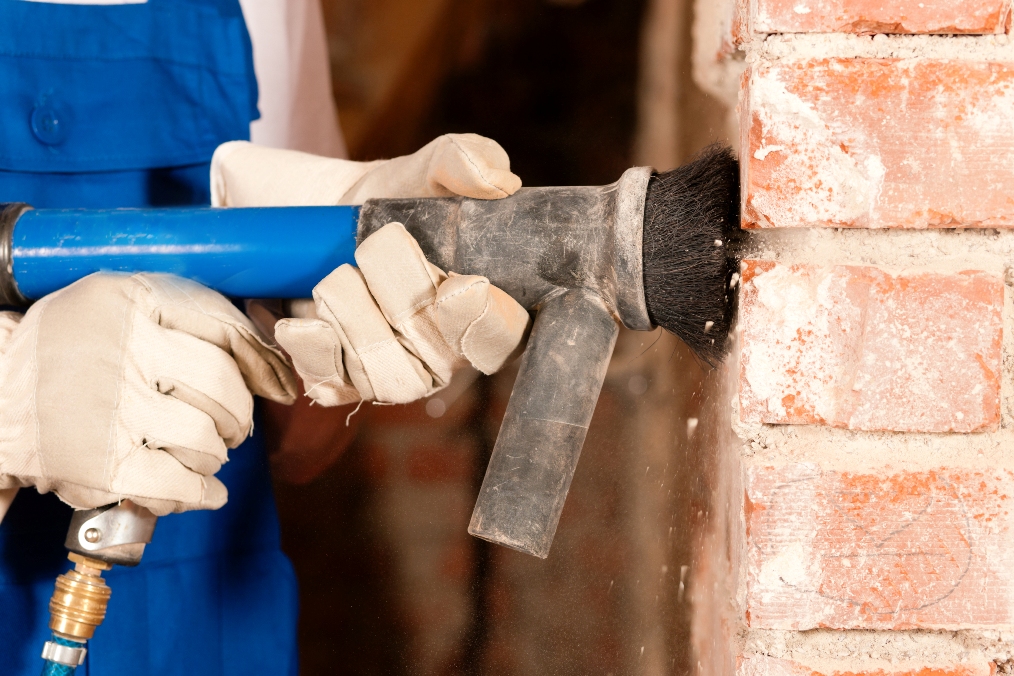
Repainting a few rooms around your home is a fairly easy and common renovation that can drastically change the look, feel and atmosphere of an entire house. Using light colours can create the illusion of more space in a room, and a good tip is to paint the trim and mouldings a lighter colour than the walls.
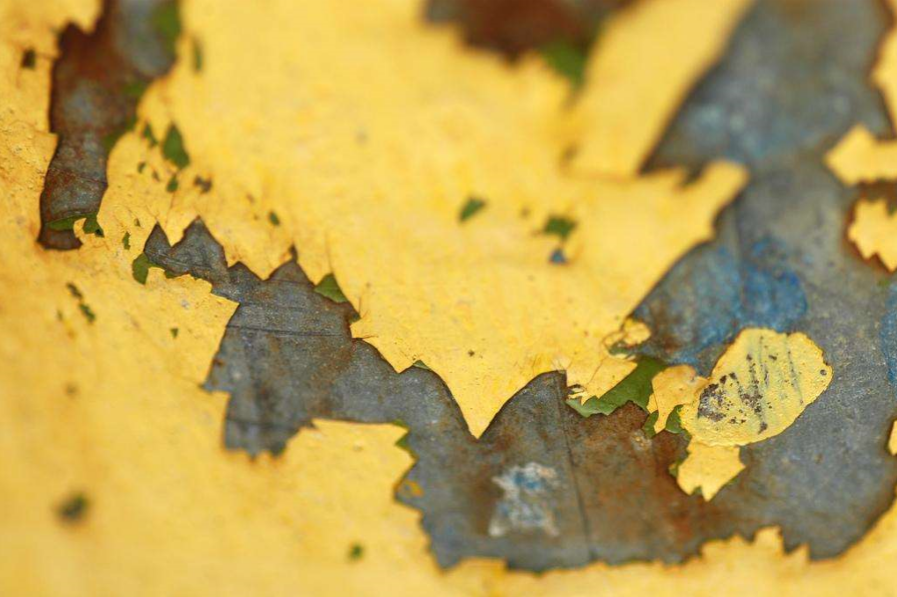
While painting may not seem overly hazardous at first, it’s important to keep in mind that houses built before 1970 have a high probability of containing lead paint. Scraping or sanding down old paint without having a professional test it first may create dust and lead paint chips, which can linger and eventually cause lead poisoning. Houses built between 1970 and 1997 were allowed to contain lead paint toxins up to one percent, so it’s not a bad idea to have those homes tested as well. In Australia, the recommended amount of lead in domestic paint has declined from 50% before 1965, to 1% in 1965, 0.25% in 1992, and 0.1% in 1997. (Read more about lead in house paint in Australia.)
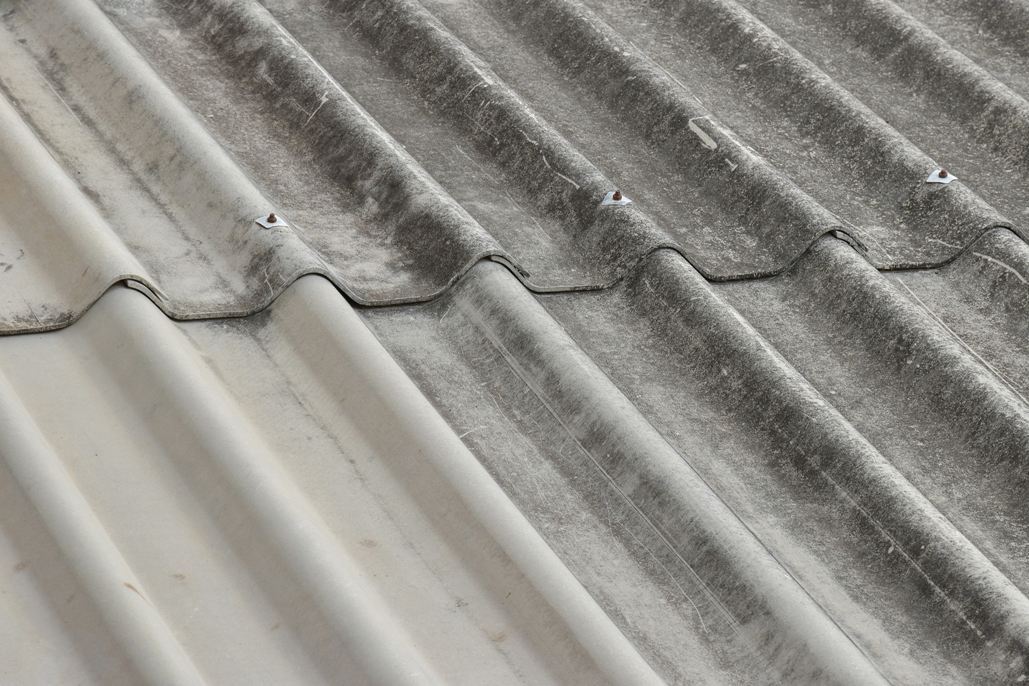
Due to its high durability and fire resistant “miracle” properties, asbestos was commonly used in domestic buildings well into the 1980s. Before starting your renovation project, it would be a wonderful idea to hire a professional to test for asbestos. The toxin may be lurking in your home’s insulation, popcorn ceilings, walls, and flooring. Exposure to asbestos can lead to a rare type of cancer called mesothelioma, which has the potential to develop in the lining of the lungs, abdomen, or heart. (Read more about the Australian government's guide on asbestos.)
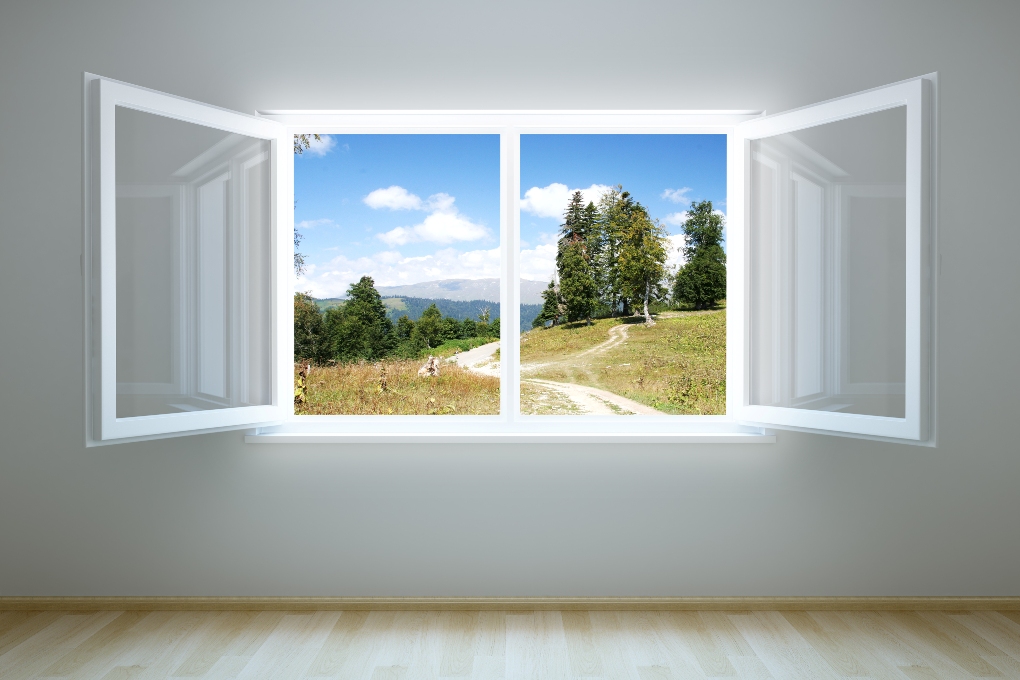
Proper ventilation is key to a healthy DIY home renovation, and the more fresh air the better! It’s a good idea to have your windows open at all times and to be cautious of indoor air quality. Working long periods of time without a break can be especially dangerous when working with paint. Any room lacking windows should have a standing fan set up to increase air circulation. If you start feeling lightheaded or dizzy, stop immediately and take a break. Wearing a face mask when working with paint, dust or any other types of particles can save you from potential breathing difficulties.
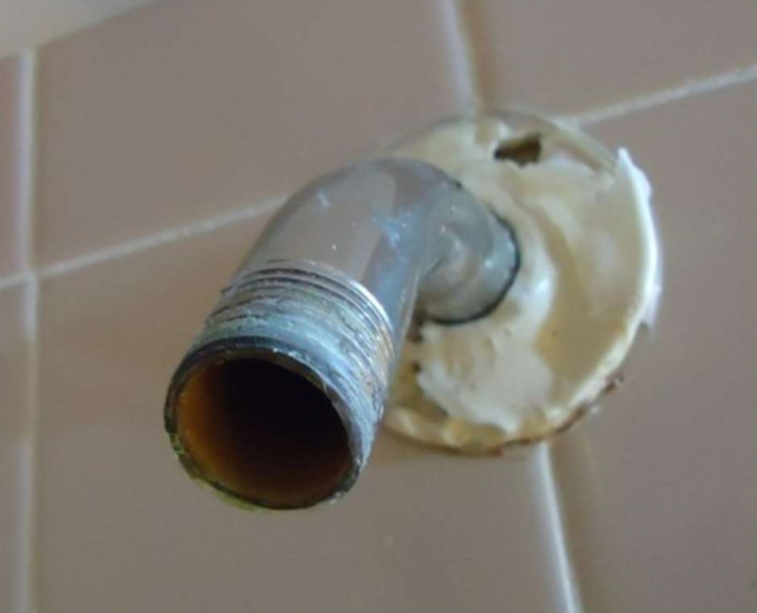
Plumbing problems are also typically common in older homes, and ones built before the 1960s often used galvanised piping. Houses with this type of piping often have a slower drain system and pipes tend to clog more frequently. The lifespan of galvanised pipes is said to be around 40 years, so if they haven’t been replaced already the time has already come! If you are going to replace old pipes, it is recommended you use PVC or copper piping. For a bunch of fun ways to improve the bathroom check out the bathroom, tapware and accessories page. You’ll find the best basins, tapware, floor wastes and more!
Renovating a home is a very special time no matter what stage of life you’re in, and following these simple tips will help you create the home you've always wanted. No one ever said you can’t make an old home feel new again, it just may take some extra time and care to do so.
About the Author
This article was contributed by the team at Mesothelioma Cancer Alliance, which aims to raise awareness about "mesothelioma, a rare but preventable cancer, and advocate about the dangers of asbestos exposure in hopes of one day seeing a ban on this carcinogenic material worldwide."
Be on the Lookout for Lead Paint
Repainting a few rooms around your home is a fairly easy and common renovation that can drastically change the look, feel and atmosphere of an entire house. Using light colours can create the illusion of more space in a room, and a good tip is to paint the trim and mouldings a lighter colour than the walls.
While painting may not seem overly hazardous at first, it’s important to keep in mind that houses built before 1970 have a high probability of containing lead paint. Scraping or sanding down old paint without having a professional test it first may create dust and lead paint chips, which can linger and eventually cause lead poisoning. Houses built between 1970 and 1997 were allowed to contain lead paint toxins up to one percent, so it’s not a bad idea to have those homes tested as well. In Australia, the recommended amount of lead in domestic paint has declined from 50% before 1965, to 1% in 1965, 0.25% in 1992, and 0.1% in 1997. (Read more about lead in house paint in Australia.)
Check for Asbestos
Due to its high durability and fire resistant “miracle” properties, asbestos was commonly used in domestic buildings well into the 1980s. Before starting your renovation project, it would be a wonderful idea to hire a professional to test for asbestos. The toxin may be lurking in your home’s insulation, popcorn ceilings, walls, and flooring. Exposure to asbestos can lead to a rare type of cancer called mesothelioma, which has the potential to develop in the lining of the lungs, abdomen, or heart. (Read more about the Australian government's guide on asbestos.)
Know the Importance of Ventilation
Proper ventilation is key to a healthy DIY home renovation, and the more fresh air the better! It’s a good idea to have your windows open at all times and to be cautious of indoor air quality. Working long periods of time without a break can be especially dangerous when working with paint. Any room lacking windows should have a standing fan set up to increase air circulation. If you start feeling lightheaded or dizzy, stop immediately and take a break. Wearing a face mask when working with paint, dust or any other types of particles can save you from potential breathing difficulties.
Fix Outdated Plumbing
Plumbing problems are also typically common in older homes, and ones built before the 1960s often used galvanised piping. Houses with this type of piping often have a slower drain system and pipes tend to clog more frequently. The lifespan of galvanised pipes is said to be around 40 years, so if they haven’t been replaced already the time has already come! If you are going to replace old pipes, it is recommended you use PVC or copper piping. For a bunch of fun ways to improve the bathroom check out the bathroom, tapware and accessories page. You’ll find the best basins, tapware, floor wastes and more!
Renovating a home is a very special time no matter what stage of life you’re in, and following these simple tips will help you create the home you've always wanted. No one ever said you can’t make an old home feel new again, it just may take some extra time and care to do so.
About the Author
This article was contributed by the team at Mesothelioma Cancer Alliance, which aims to raise awareness about "mesothelioma, a rare but preventable cancer, and advocate about the dangers of asbestos exposure in hopes of one day seeing a ban on this carcinogenic material worldwide."