
 Australian Dollar

Everything You Should Know About Local Painting Services
Posted by Renovator Mate on 03 Oct 2025
Finding the right local painting services is a bit like picking the right paint colour — it sounds simple until you’re staring at a hundred options, wondering which one will actually work in your space. You want someone who can get the job done without fuss, but also someone who knows how to make that finish hold up against weather, kids, pets, or just time. I’ve seen paintwork that looked amazing on day one, only to fade or peel far too soon. The difference? Usually, it’s the painter’s prep work, choice of materials, and eye for detail. The reliable ones don’t make a big song and dance about it — they just get those details right, every single time.
The good ones — the painters worth your weekend research — don’t just turn up with a ladder and a smile. They’ll talk to you about prep work like it’s an art form, explain why one surface needs primer while another can be painted straight over, and know which brands actually last outdoors. It’s not a sales pitch, just the way they work. In my book, that’s the difference between a quick splash of colour and a finish that feels like it belongs there.
Why preparation and method matter
If there’s one thing painting has taught me, it’s that the job starts long before the roller hits the wall. I once lived in a weatherboard place where the painter skipped proper sanding — looked fine for a bit, until paint started curling like old paper. That’s when I realised: preparation is everything.
- Clean the surface properly or risk paint slipping right off.
- Prime where needed — it’s not just for “problem” walls.
- Fix dents and gaps so they don’t show through later.
- Don’t rush the drying — impatience now means repairs later.
A lot of this sounds obvious… until you see the difference between someone who’s thorough and someone who’s not.
Understanding NSW painter licence requirements
There’s another layer to this — paperwork. Sounds dull, but in NSW, painter licence requirements exist for a reason. They’re not just red tape; they’re there to make sure the person painting your home knows what they’re doing and has the insurance to back it up.
If the work’s worth more than a small repair, a licence isn’t optional. It covers safety rules, the right qualifications, and having cover if something goes wrong. A licensed painter should be upfront about it, even happy to explain what it means for your job. I’ve found that when someone gets cagey about licensing, it’s usually a sign to keep looking.

Choosing the right paint for your environment
Paint isn’t just paint. What works in the inner suburbs might peel or fade in a coastal town. I learned this the hard way with a cottage near the beach — within months, the bathroom walls had tiny mould spots because I’d gone with the wrong finish.
- By the coast? Look for anti-fungal additives.
- Sun all day? UV-resistant paint is your friend.
- Indoors? Low-VOC options keep the air cleaner.
- Older timber? An oil-based primer can save you headaches.
Getting the product right is half the battle — the rest is application.
Matching your project with roof painters near me
Some painting jobs happen at ground level, but others are up where the gutters meet the sky. That’s where the right team makes all the difference. When I was looking into options for a roof repaint, searching for “roof painters near me” led me to tradespeople who knew far more than just how to hold a spray gun.
- Roof paint can add years to the life of the materials.
- It can even help keep a house cooler in summer.
- Prep is different up there — pressure cleaning, sealants, repairs.
- Safety isn’t optional — proper gear is part of the work.
I’ve seen more than one “DIY” roof paint job go patchy after the first downpour. It’s a spot where the pros really earn their keep.
Maintaining painted surfaces year-round
Once the job’s done, it’s easy to forget about it… until something chips or fades. A bit of care now and then makes a huge difference:
- Give exterior walls a quick wash once a year.
- Patch up nicks before they grow.
- Keep gutters clear so water doesn’t creep into painted edges.
- Watch the sunny sides of your home — they wear fastest.
It’s not about fussing; it’s about keeping your investment looking good for longer.
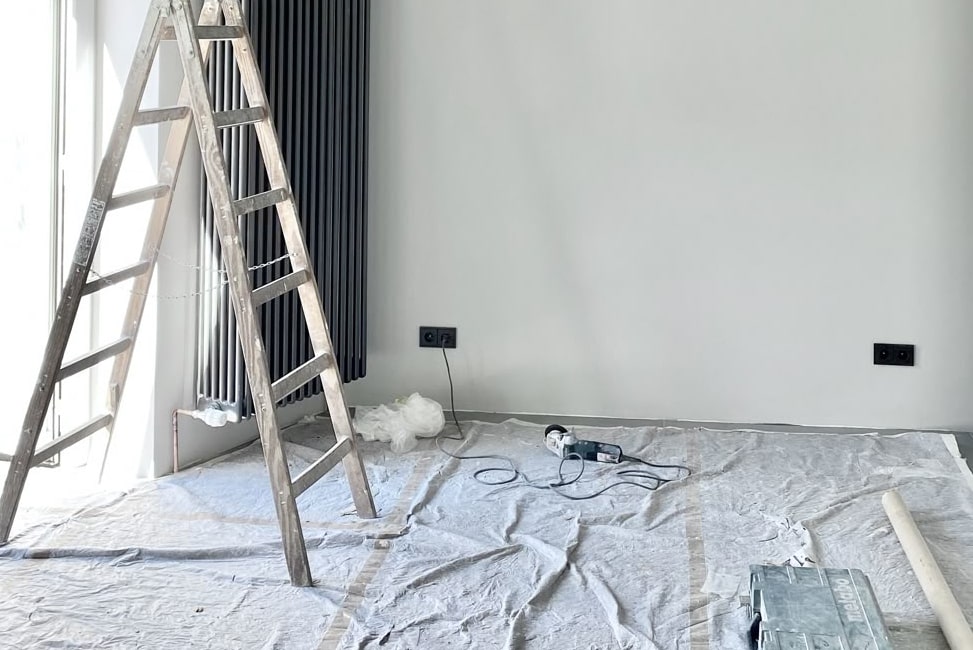
When an interior painter makes a difference
Interiors are where detailed work shows. A good interior painter isn’t just filling in big spaces — they’re managing how light bounces in a room, getting the edges crisp, and making sure colour stays even across a whole wall.
It’s small things like:
- Matching sheen to the room’s use (gloss in kitchens, flat in lounges).
- Checking how paint looks in morning light versus evening.
- Making the skirting boards look like they’ve been cut with a razor.
Done well, it’s the sort of finish you don’t notice at first — it just feels right.
Working with timelines and project planning
Paint doesn’t dry the same way every day of the year. I’ve had exterior jobs delayed because a humid afternoon ruined the first coat. A painter who knows their stuff will plan around:
- Cooler mornings for exteriors to avoid blistering.
- Drying windows between coats.
- Staggered work indoors so rooms can be used while others dry.
- Rain forecasts that could throw a week’s plan off.
The timing isn’t just about convenience — it’s part of the quality.
Conclusion
Painting’s one of those things that seems simple until you get into it. The right person — or team — will care about preparation, understand the right products for your area, meet licensing rules without blinking, and know their way around everything from a small hallway to a tricky roof. When all those parts come together, you’re left with more than just a new colour. You get a finish that’s built to last.