
 Australian Dollar
How to Choose the Best Grass for Your Lawn
Posted by Renovator Mate on 30 May 2018
Picking out the right kind of grass for your lawn is crucial in making sure you don’t continually struggle to keep it green and healthy. With so many things to tend to at home, you may not always have the luxury of time to care for your lawn.

Indeed, effective lawn maintenance is the key to enjoy the season-long beauty of your turf. But beyond this, you should also know the best grass type for your area as getting the right kind will determine whether or not your lawn will thrive or not.
Here are some important things you should consider when choosing the best grass for your lawn:
Location
The place you live in is a vital factor that can affect how your grass will perform. Determine which among these zones your area is classified.
- Transition Zone – A region with cold winters and hot summers which makes it a challenging area for lawns. Tall fescue is the best choice in this zone as it shows good tolerance for both heat and cold. Kentucky bluegrass, Bermuda grass, and zoysia grass also grow well in homes located in a transition zone.
- Northern Zone – A region where winters are cold and summers are moderate. Cool season grasses like perennial ryegrass and Kentucky bluegrass are your best choices.
- Southern Zone – A region with moderate winters and hot summers. Southern zone areas have a temperature where warm-season grasses like Bermuda grass and centipede grass can thrive well.

Yard Conditions
Part of what you have to consider in your location is your yard condition. If there are no specific problems, then you should be able to get good results from any conventional grasses appropriate for your region. But if you have a particularly challenging geography that has limited water, salty soil, or which is densely shaded, very specific grass varieties may adapt better.
- High-Traffic Sites – Perennial ryegrass and Kentucky bluegrass work well in this type of area. But if you want a grass type that can recover promptly from wear, Bermuda grass is also preferred.
- Salty Sites – For sandy coastal sites affected by salt sprays, seashore paspalum is an excellent choice.
- Low-Input Areas – For areas with a low supply of water or fertiliser, the hardy buffalo grass is much preferred. Fine-leaf fescues and centipede grass are also good for low-input or low-maintenance sites.
- Shaded Sites – The most tolerant in this type of site are fine-leaf fescues. However, if you only need a fairly shade-tolerant grass type, St. Augustine grass will also do.

Variety
Every grass type is available in different varieties and each of them bears qualities that may tolerate pests, diseases or harsh weather. You must first take a look at the climate in your location and the condition of your yard before you pick out a suitable grass variety.
Cool Season Grass Species
These grass types thrive in fall and spring but stay green all winter. They don’t enjoy the heat of summer and often turn brown without additional watering.
- Fine-leaf Fescue – Has a thin blade and wispy appearance that can tolerate shade and drought. It’s less attractive than other lawn grasses but is also low maintenance.
- Kentucky Bluegrass – Has a medium texture and dark colour which makes for a highly attractive lawn. It also fills up bare spots on its own and can tolerate harsh winters. The downsides with this type are that it’s prone to thatch, languishes in heat, is intolerant of shade, and is a favourite meal of grubs.
- Perennial Ryegrass – This is an appealing grass that germinates quickly and tolerates traffic well. The only disadvantage of this variety is that it won’t fill in bare spots.

Warm-Season Grass Species
These grass types love heat and are well-suited to hot summers. They go dormant without supplementary water so you may need a wireless irrigation controller to hydrate your lawn when you are not at home. Moreover, these grasses are not quite cold-tolerant and mostly undergo winter dormancy.
- Bermuda Grass – A vigorous spreader that can quickly recover from wear. However, it’s prone to thatching, is intolerant of shade, and can invade plant beds.
- Buffalo Grass – This is best used in low maintenance sites as it tolerates extreme weather conditions and requires little mowing. Unfortunately, it's slow to establish, doesn’t tolerate traffic well, is dormant in summer and winter, and turns brown most of the year.
Whatever the type of grass you choose, you have the option to establish your own lawn by seed, sod, or sprig. Pick out which one you can conveniently look after, and take into account your location and yard conditions.
But if you’re always pressed for time yet want a gorgeous, thriving lawn, get a professional lawn service onboard to take care of it for you. Remember, a green healthy lawn all year round depends on the choices you make.
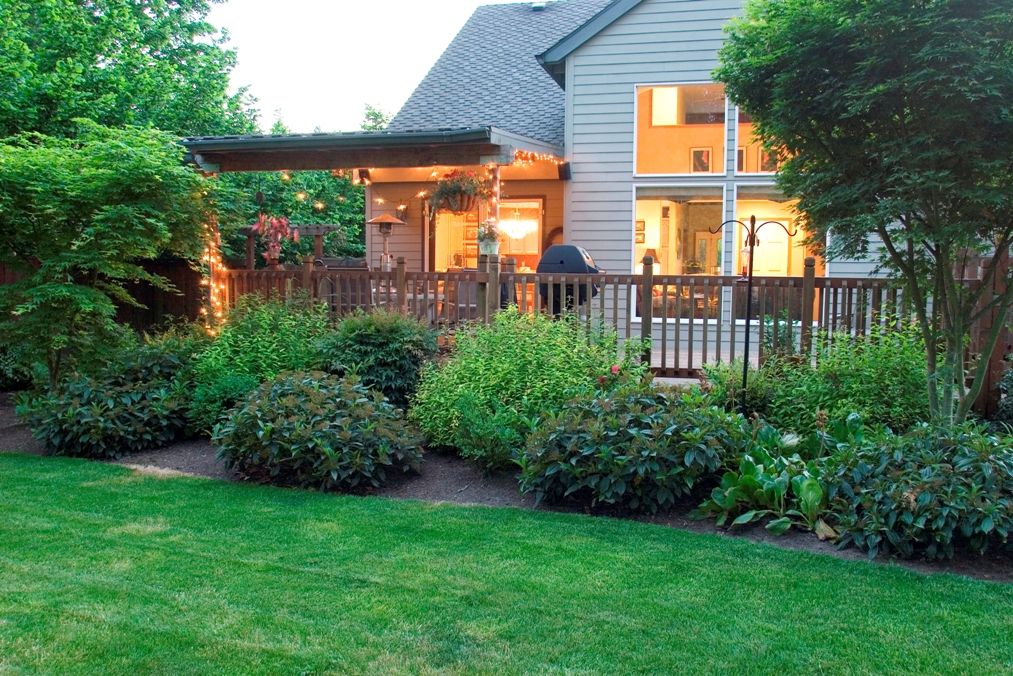
(Featured image at top is under CC0 Public Domain and hosted on PxHere.)