
 Australian Dollar
Everything You Need to Know About Restoring Metal Roofs
Posted by Renovator Mate on 15 Sep 2025
If you’ve ever looked up at your roof and noticed the colour fading, a few streaks of rust, or paint starting to flake, you know it’s not something to ignore. Roofs take a constant beating from sun, wind, and rain, and even strong materials can start showing their age. That’s often when homeowners think about metal roof restoration, a way to repair damage, refresh the appearance, and add years to the life of the roof they already have.
It’s not just a matter of making things look better. A proper restoration helps seal out water, slow down corrosion, and keep the structure underneath in good condition. For many homes, it’s the middle ground between doing nothing and replacing the whole roof — and often, it’s exactly what’s needed.
Why understanding metal roofing industry standards matters
When you’re putting your roof into someone else’s hands, you want to know the work is going to be done right. That’s where understanding the metal roofing standards comes in. These aren’t rules to make life complicated — they’re the baseline for what quality roofing work should look like.
In Australia, there are clear guidelines that cover metal roofing alongside tiling and guttering. They outline the type of workmanship, materials, and processes that keep things up to scratch. If nothing else, they give you a bit of confidence in knowing what’s reasonable to expect.
Here’s why it’s worth having them on your radar:
- They set a clear picture of what “good” looks like.
- They give you language to use when discussing your project.
- They make it easier to spot when a quote or a promise feels off.
I’ve walked into jobs where people skipped this step, and the results… looked okay on day one but didn’t survive the first storm season. Having those benchmarks in your back pocket can save you from headaches later.
Choosing a skilled metal roofing installer
Finding the right tradesperson is more than just picking someone who works on roofs — it’s about choosing a professional who understands how metal behaves over time. A good metal roofing installer knows the subtle differences in materials, how to prepare them properly, and the best ways to prevent small problems from turning into major repairs.
From years of watching projects play out, the best installers tend to:
- Explain their process without hiding behind jargon.
- Have a portfolio that shows similar jobs.
- Offer small, smart adjustments that make the roof last longer.
I remember a homeowner who went with a general roofer — the job looked fine until mismatched metals started corroding within months. A specialist would’ve seen that risk before it even happened.
Adding extra protection with Sydney waterproofing services
Restoration gives a roof a fresh, sealed surface, but in some parts of Sydney — especially coastal or high-rainfall areas — extra protection can make a big difference. That’s where services aimed at keeping water out of vulnerable spots come in. By working with providers who specialise in waterproofing services, you can address problem areas like flashing, valleys, and skylight edges before they cause trouble.
Waterproofing isn’t just for a consistently leaking roof — it’s a proactive step. Done alongside restoration, it helps stop moisture from creeping into ceilings and walls, where damage is harder to spot. I’ve seen this combination give homeowners peace of mind, especially in older properties where water has more entry points than you’d expect.
Common misconceptions about roof restoration
Over time, I’ve heard the same myths pop up again and again when people talk about roof restoration. Here are the big ones:
- “It’s just painting.” No — a real restoration starts with cleaning, repairing, and treating before any coating goes on. That said, metal roof painting is still an important step in the process, giving the roof
- “You don’t need to touch it after.” Even a perfect restoration needs regular checks to stay in top shape.
- “Only for very old roofs.” Not true — newer roofs can still take a beating from salt air, storms, or debris.
The more you clear up these myths, the easier it is to see restoration for what it really is: prevention, protection, and improvement in one.
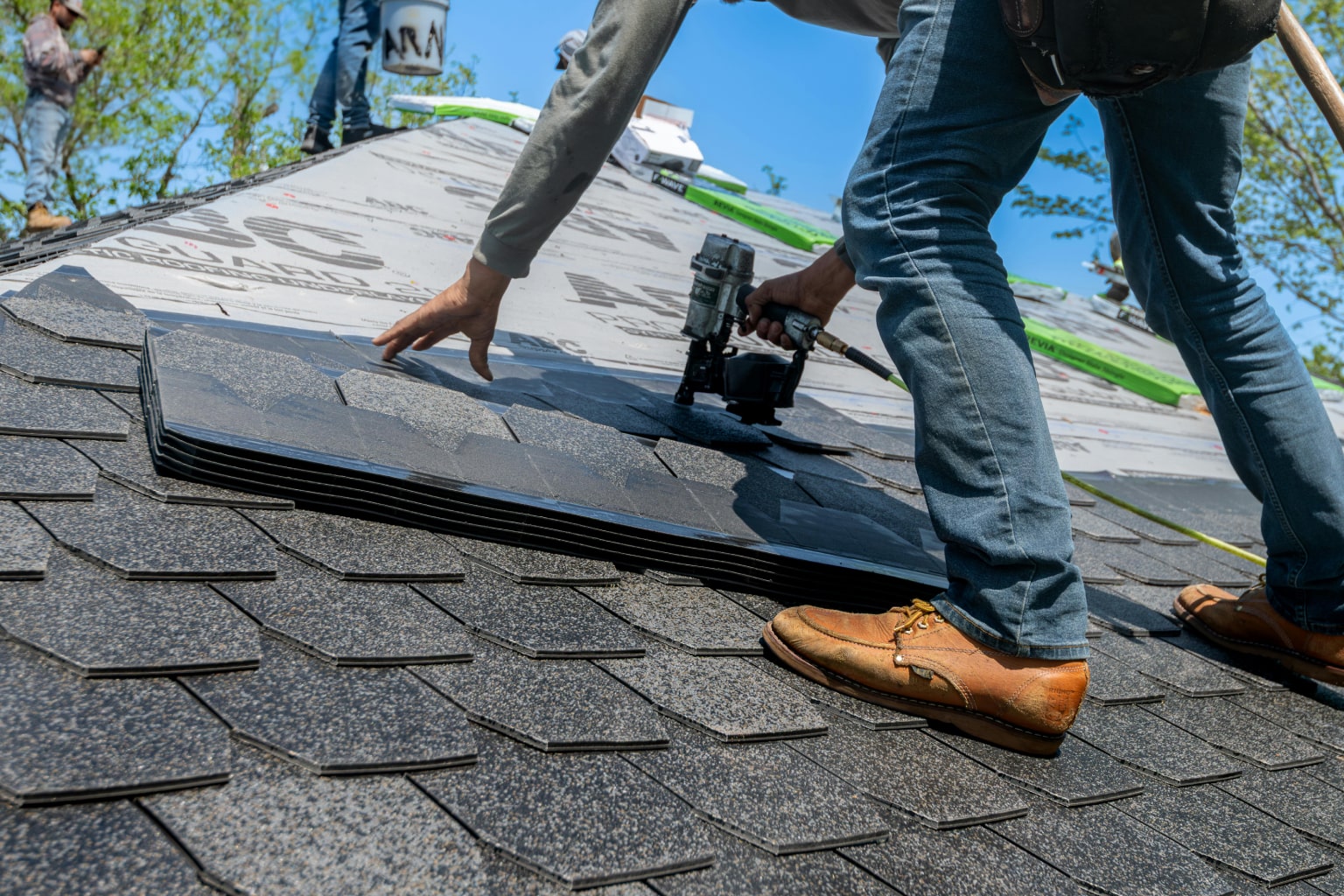
The environmental benefits of restoring instead of replacing
There’s also the environmental side of things. Removing an entire metal roof means sending large, heavy sheets to the landfill. It means more raw materials being mined, processed, and shipped.
Restoration sidesteps all of that. You:
- Keep tonnes of waste out of landfill.
- Cut back on the demand for brand-new materials.
- Lower the carbon footprint tied to manufacturing and transport.
One project I worked on saved over a ton of steel from heading to the tip. That’s a tangible impact — and it’s a good feeling to know you’ve extended the life of what’s already there instead of starting from scratch.
How climate affects the life of a restored roof
Not every restored roof faces the same conditions. In Sydney’s inland suburbs, summer heat and UV are the main enemies. Along the coast, salt spray and wind-driven rain are constant factors. Up in the hills, you’ve got heavy dew and the occasional frost to deal with.
These differences can change how often you’ll need inspections, touch-ups, or extra treatments. For example:
- High UV areas may need more frequent repainting to protect the surface.
- Coastal homes might benefit from corrosion-resistant fasteners and extra sealants.
- Leafy suburbs need regular clearing to prevent moisture build-up under debris.
A good restorer takes climate into account from the start — it’s not a one-size-fits-all job.
Signs your restored roof might need attention again
Even the best restoration isn’t forever. Over the years, you might spot:
- Small rust spots reappearing near joins or screws.
- Hairline cracks in the coating after extreme weather.
- Loose flashing or panels shifting slightly in the wind.
Catching these early is key. A quick fix now can prevent a much bigger job later. I’ve seen roofs stay solid for 15 years after restoration simply because the owners stayed on top of small maintenance.
Final thoughts
A solid metal roof can outlast a lot of things on your property — fences, decks, even the paint on your walls — but it still needs attention now and then. Letting it go for too long is when the trouble starts. Restoration is that middle step: not a complete rebuild, but not a patch job either.
If you’ve got a handle on the basics — what good workmanship looks like, who’s actually qualified to do the job, and how to give it a bit of extra defence — your roof stands a much better chance of handling whatever the weather throws at it.